Securing Canada’s Grid Equipment Supply Chains

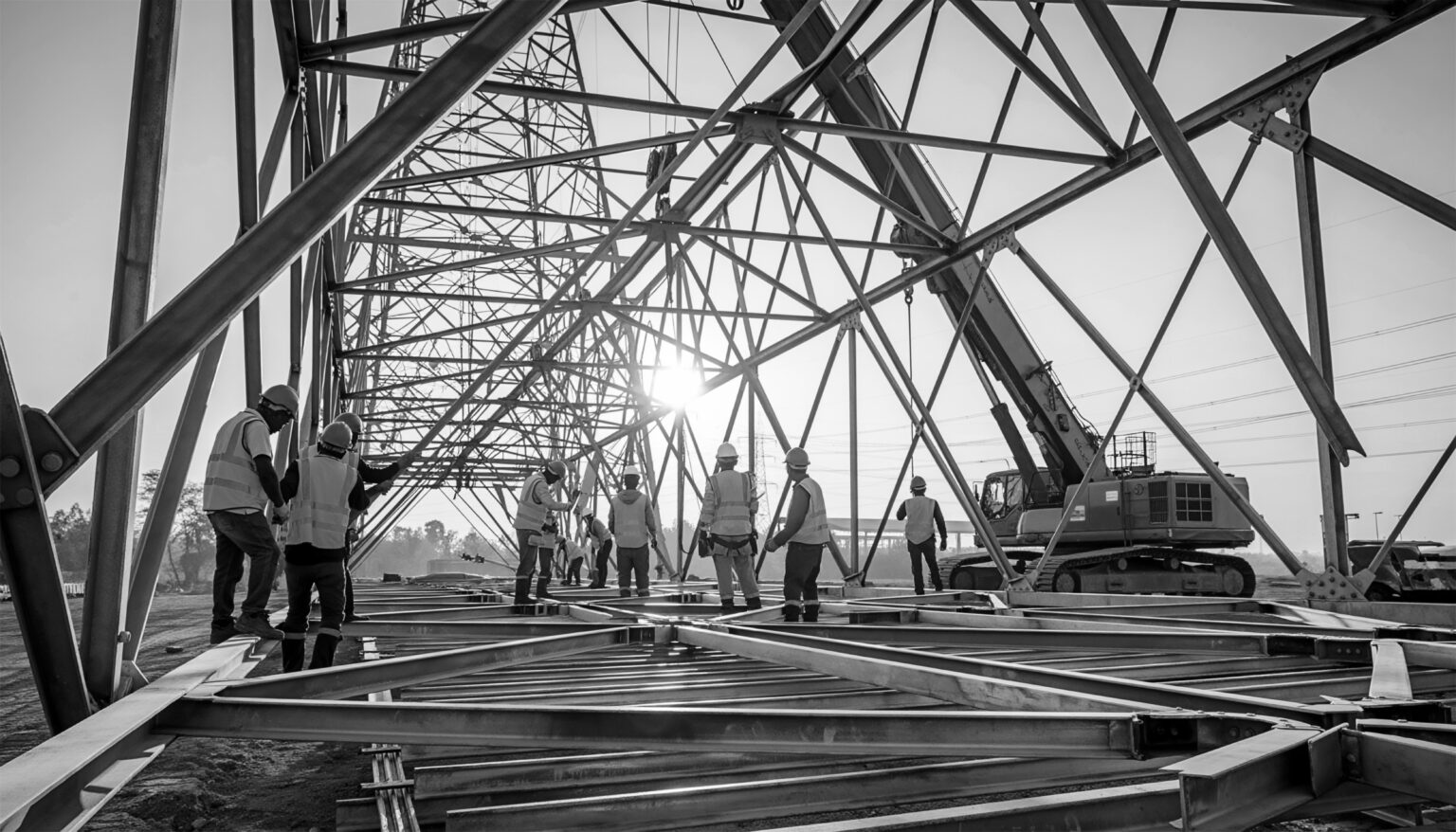
Canada’s nation-building ambitions call for a doubling of electricity supply by 2050. Transformers, power lines, and other physical infrastructure are essential to meeting that goal, and now is the time to secure the supply chains that will make grid expansion possible.

Prices for transformers, switchgear, and cable have each risen more than 50 percent since 2020, and large power transformers can now take two to four years to arrive. As electrification increases around the world, global demand for grid equipment will only grow.

This analysis maps where Canada stands and what we can do now to ensure we’ll have the equipment to deliver affordable, abundant electricity when and where it’s needed:

  • Where Canada can expand production at home, from transformers to switchgear
  • Where we need allies, including the specialized steel used in transformer cores
  • How pooling grid purchases can give manufacturers the certainty to invest

By working with other nations to pool demand and coordinate investment, Canada can reduce supply risks and keep its nation-building agenda on track.

About the Author

Nick Martin

Vice President, Insights and Analytics
As Vice President of Insights & Analytics, Nick leads the organization’s cross-cutting analytical and modelling efforts to identify and advance the most promising pathways for Canada’s energy transition.
Nick brings over a decade of experience in energy policy and strategy, having supported governments, utilities, and industry stakeholders across Canada and the United States. His work ranges from assessing the market potential for clean energy solutions — including electric mobility, renewable energy, and building electrification — to advancing electricity system planning such as inter-provincial coordination, grid buildout, and integration costs, to developing the government and corporate strategies needed to accelerate the transition.
Before joining the Transition Accelerator, Nick was a Senior Consultant at Dunsky Energy + Climate Advisors. He has also held roles at the Calgary-based Canada West Foundation and the New York-based Pace Energy and Climate Center, and served as Executive Director of the Northeast Clean Heat and Power Initiative. Nick holds a master’s degree in Climate Science and Policy from the Bard Center for Environmental Policy.
More

Rami Fakhoury

Energy Systems Analyst

Rami Fakhoury is an Energy Systems Analyst with the Transition Accelerator. Previously, he was a manager at the World Energy Council – UK, where he led community engagement and worked on multiple insights studies covering low-carbon hydrogen developments. Before that, Rami worked as a Senior Energy Engineer with the Lebanese Ministry of Energy and Water where he managed several renewable energy (solar & wind) and energy efficiency projects.

Rami holds a dual degree in Electrical Engineering and Economics, and is currently pursuing a part-time MBA at the University of Toronto – Rotman School of Management. He speaks fluent English, French, and Arabic.

More

Aysha Cotterill

Analyst, Insights & Analytics

Aysha is an analyst on the Insights & Analytics team at the Transition Accelerator. Her previous experience spans technology, sustainability, and international climate policy. Most recently, she worked at an international organisation, where she applied data analysis and machine learning to examine global flows of public and private climate finance. Before that, she was a data scientist in sustainability, where her work supported organisations in advancing their climate goals.

Aysha holds a bachelor’s degree in Systems Design Engineering from the University of Waterloo and a master’s degree in Science, Technology, and Policy from ETH Zürich. Her master’s research focused on the future critical mineral intensity of net-zero energy systems in Europe.

More

Bentley Allan, PhD

Vice President, Future Economy

Bentley Allan, PhD, is a Transition Pathway Principal and Vice President, Future Economy at the Transition Accelerator, as well as an Associate Professor of Political Science at Johns Hopkins University. Dr. Allan is an award-winning scholar who has written on the dynamics of international order, science and politics, climate policy, and the political economy of decarbonization. He provides regular advice to government and industry on geopolitics, industrial strategy, and policy.

He has co-lead the development of three sector strategies and roadmaps in collaboration with industry partners. He is the co-coordinator of the Centre for Industrial Policy which advances research and action to strengthen and mobilize Canada’s expertise in modern industrial policy, enabling strategic collaboration between government, industry, indigenous communities, labor, and financial institutions in pursuit of good jobs and a competitive economy.

More