
Canada’s Industrialized Construction Advantage

April, 2026
By Michelle German, Derek Eaton

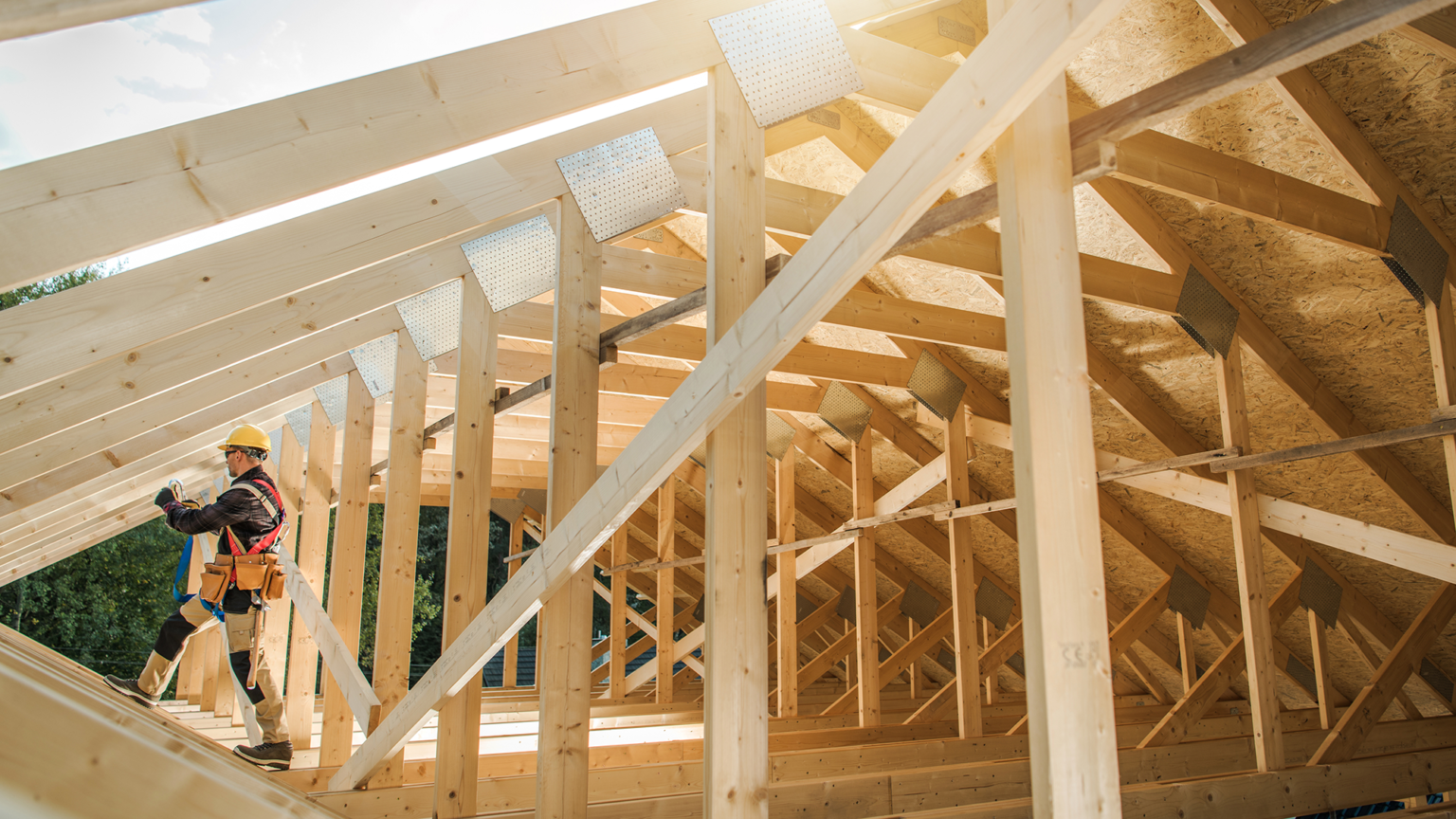
Canada has an opportunity to build industrialized construction into a strategic domestic manufacturing sector that improves productivity, supports housing delivery, and creates greater value from its forest resource base. At present, however, Canada’s policy environment remains fragmented: innovation, housing, standards, procurement, and industrial development tools are not yet aligned around a coherent scale-up strategy.

This paper argues that Canada should treat mass timber and modern methods of construction as a coordinated manufacturing ecosystem, and should use sustained policy commitment, industry-government coordination, and aligned supply- and demand-side tools to build globally competitive production capacity.


About the Author

Michelle German

Senior Advisor

Michelle is a senior executive leader with over 15 years of experience driving systems-level change across housing policy, urban innovation, and intergovernmental strategy. She has held pivotal roles at WoodGreen Community Services, Evergreen, and Springboard Policy—where she led cross-sector initiatives that shaped public policy, secured major housing investments, and advanced inclusive urban development.

Michelle’s expertise spans strategic planning, stakeholder engagement, and performance management, with a proven ability to align complex projects with government priorities and community impact. Her work has influenced legislation at all levels of government —making her a trusted advisor across Canada’s public interest ecosystem.

She brings a collaborative, evidence-based approach to consulting, grounded in deep experience across government, non-profit, and institutional sectors.

More

Derek Eaton, PhD

Director of Future Economy

Director of Future Economy at the Transition Accelerator, Derek Eaton is an economist with more than 30 years of experience in developing policy insights and recommendations to integrate sustainability into decision-making. Derek’s global career has ranged across the energy, agriculture, food, water, trade, investment, finance and innovation sectors. His professional focus has centered on understanding how economic change and transformation take place. He brings valuable insights from his experience working for the UN, government, research organizations, universities, think tanks and consulting spanning the research, policy and practice interface.

Prior to joining the Transition Accelerator, Derek was Senior Director of Public Policy Research at the Smart Prosperity Institute. Some of his previous positions include Principal Consultant, Technopolis Group (the Netherlands); VP Research, the Global Footprint Network (Oakland, CA and Switzerland); Executive Director, Centre for International Environmental Studies, Graduate Institute (Geneva), Green Economy Research Lead, United Nations Environment Programme (Geneva). Derek holds a PhD in Economics from Wageningen University, Netherlands.

More