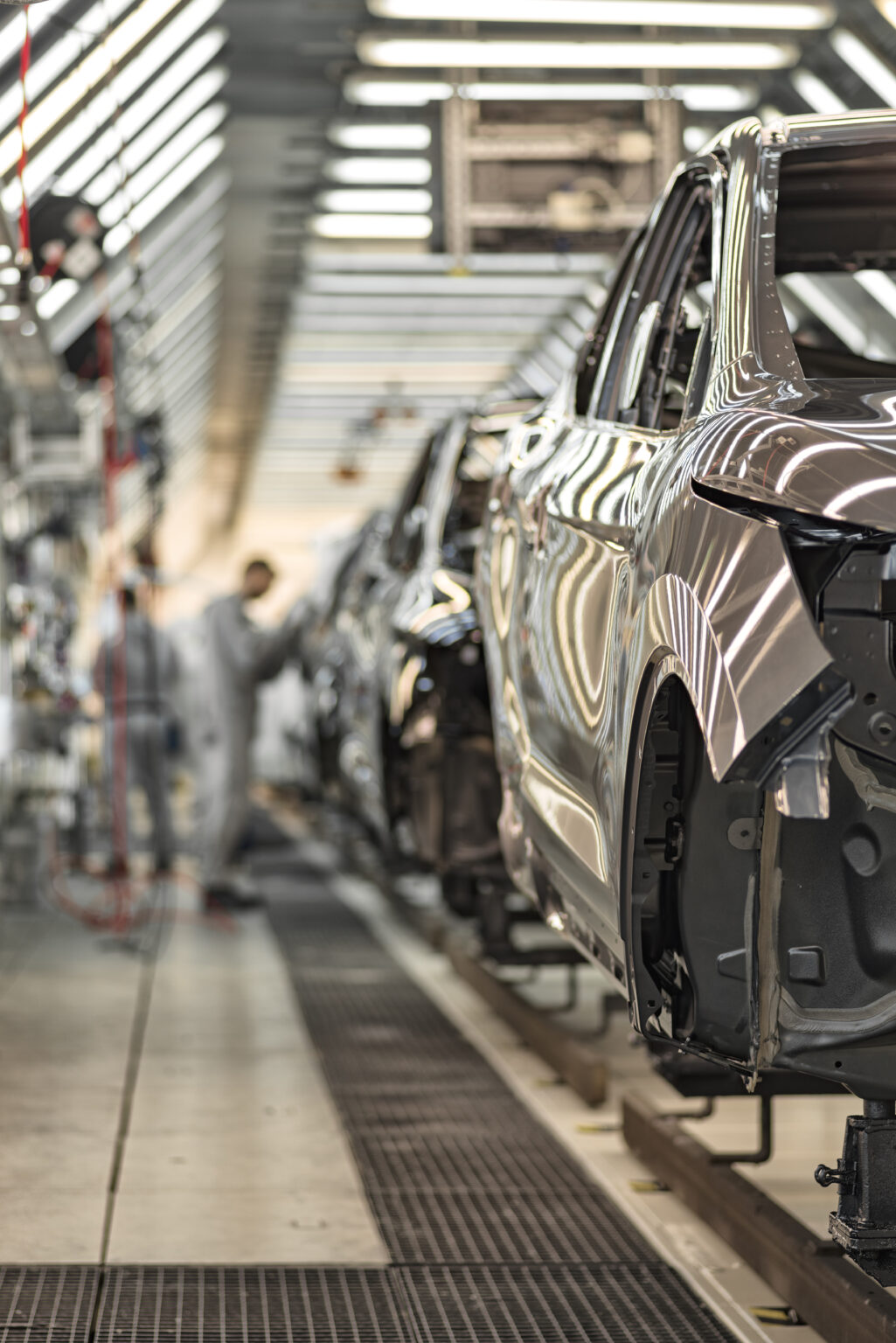
Today, the federal government announced $464.5 million from the Strategic Response Fund for Ford’s nearly $5 billion retooling of its Oakville Assembly Complex. Along with $294.6 million from Ontario, the investment will secure Oakville’s shift to building the F-Series Super Duty, and will enable Ford to add a new stamping plant on site. The project preserves more than 2,000 jobs, and the plant will be able to build up to 100,000 trucks a year.
This is good news, especially with the pressure U.S. tariffs have put on Canadian auto plants. It shows the federal auto strategy is doing what it was designed to do, protecting jobs today and preparing Canada to compete in tomorrow’s electrified economy.
The strategy
The strategy released by Ottawa in February has a simple logic: keep vehicle manufacturing in Canada, build the supply chain around it, and be ready to win investment as the industry electrifies. The third goal depends on the first two. If Canada lost Oakville during a period of tariffs and uncertainty, we wouldn’t get it back when the EV market picks up.
Oakville was originally slated to build an electric SUV, but those plans were delayed in 2024. Today’s announcement brings electrification back into the plan. Ford says it will introduce multi-energy versions of the Super Duty, and Oakville will build them.
A demand anchor for the supply chain
The stamping plant is a big part of this announcement. Parts suppliers invest when they have a large customer with steady volume over many years. An assembly plant building up to 100,000 trucks a year with stamping on site gives Canadian steel producers and the nearly 700 parts manufacturers in Canada a reason to invest here.
This will matter even more when the multi-energy trucks arrive. They will need electrified components like motors, power electronics, and batteries. We want those parts made in Canada by suppliers who already work with Oakville.
Ford repositions for the EV market
Over the last year, most of the coverage of the North American EV market has been about automakers pulling back from EVs, and much of it was about Ford. Last December the company took US$19.5 billion in accounting losses and stopped making the fully electric F-150 Lightning.
Ford stepped back and reassessed its EV strategy. It stopped investing in large, expensive EVs that weren’t making money. It also set up a small team in California to design a new low-cost EV platform from scratch. The first vehicle from that team is a midsize electric pickup priced around US$30,000. It’s in testing now and due in 2027. Ford is now ready to redeploy.
What comes next
Ford is building that new EV platform in Kentucky. For Canada, the next step is to make sure our plants compete for the next round of EV platforms from Ford and other automakers. The supply chain growing around Oakville also needs to be ready to make electric parts. Today’s announcement puts Canada in a strong position to do both.