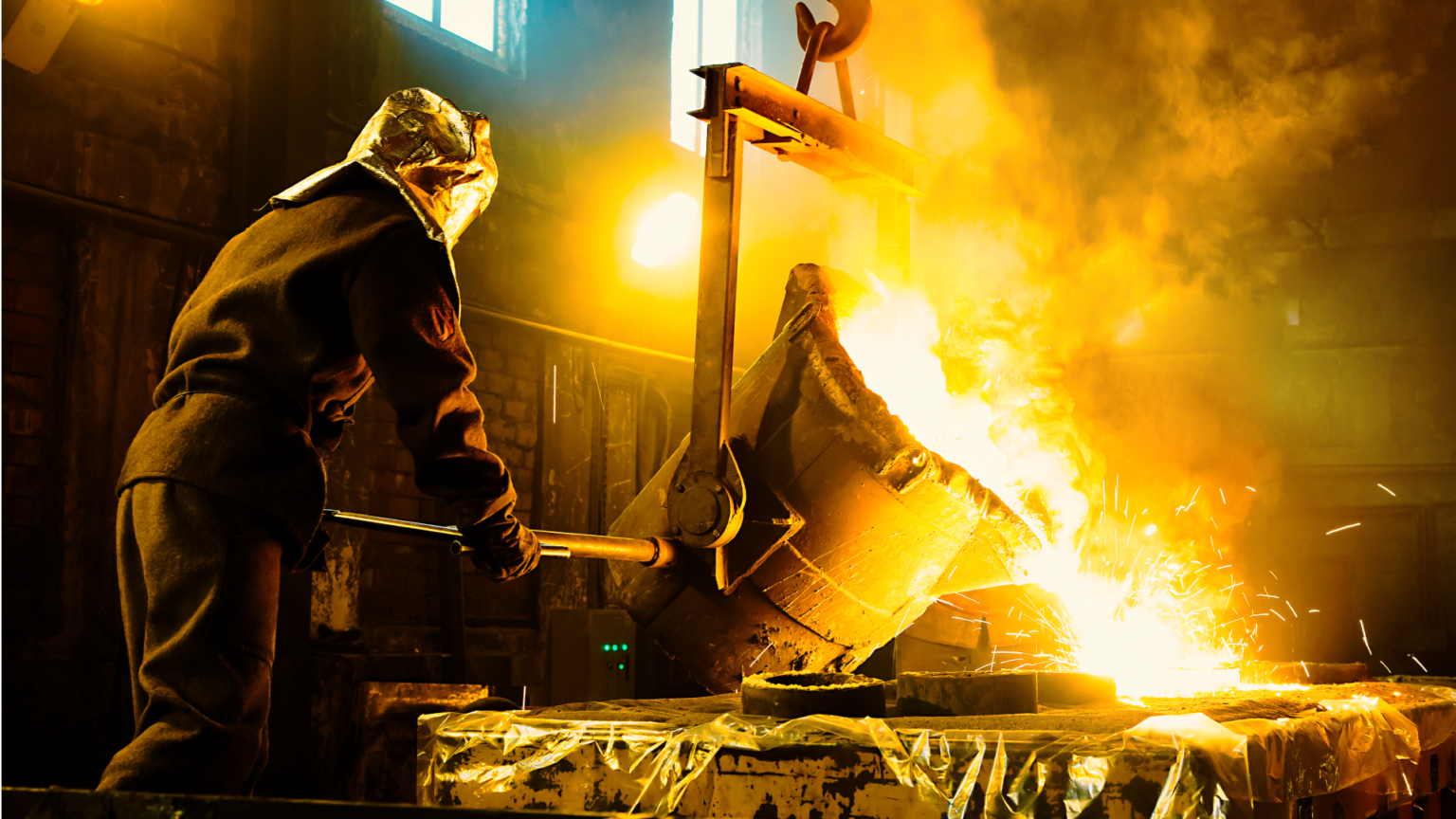
Copper smelting is a critical node in supply chains for the electricity grid, defence, and electric vehicles. Canada currently exports copper concentrates from B.C. to China for processing. However, building a Western smelter would capture value-added activity within Canada, meet growing global demand, and create supply chain resilience for multiple metals beyond copper.
China’s control of midstream metallurgy is a threat to Western processing capacity. China’s overcapacity in smelting is squeezing processing and refining charges, creating economic headwinds for non-Chinese smelters. Concentrating copper processing in China threatens supply chains for strategic sectors and erodes Canada’s geopolitical leverage as well as autonomy.
A Western Canadian smelter, using proven and safe technology, is both an industrial opportunity as well as a potential anchor for a larger critical minerals hub. Western Canada, especially the B.C. coast or Alberta’s industrial heartland, would be a prime location for a Canadian smelter, which could provide an opportunity to process other metals as well, bolstering Canada’s economic resilience.
This new report takes a deep dive into the opportunity a Western smelter provides the Canadian economy and what this could mean for Canada’s long-term competitiveness.
Key insights from this report:
- Canada is missing a critical step in its own copper supply chain. B.C. mines export raw copper concentrates overseas for processing. Building a smelter at home would capture that value in Canada, create supply chain resilience, and reduce reliance on foreign processing.
- Canada must act decisively. China’s growing control of global copper processing is squeezing Western smelters through artificially low processing fees. Canada needs to move decisively to secure its own processing capacity before options narrow further.
- The Canadian West Coast is the optimal location. B.C. has great connectivity to Yukon’s mines as well as international feedstock from Peru and Chile, with clean hydroelectric power already on the grid, while Alberta has a robust industrial infrastructure. Either province would be a prime location for a western smelter.
- Modern smelter technology is clean, proven, and safe. Facilities in Germany, Scandinavia, and Spain operate with full environmental controls near urban areas. Sulphur dioxide becomes marketable sulphuric acid, and arsenic is safely immobilized. This is established technology, not an experiment.
- One facility can anchor Canada’s broader critical minerals strategy. Beyond copper, this plant could act as an anchor we could build out to create a fulsome metallurgical site to support the processing of nickel, rare earths, and phosphate, as well as battery recycling, creating a hub for multiple strategic supply chains.
- Canada already has the right financing tool. A Contract for Difference already used successfully in Canada can guarantee viable processing fees without open-ended government subsidies, making the smelter financially viable in a distorted global market.